When you mention नेपालिचिकाइ, many might raise an eyebrow. What is it exactly? Does it involve noodles, mountains, or perhaps the most intricate forms of friendship bracelets? Well, spoiler alert. It’s a delightful dance through the cultural and historical significance that shapes Nepali identity. In this text, we’ll explore the layers of नेपालिचिकाइ, from its roots steeped in tradition to its modern-day interpretations that shimmer with vibrancy. Buckle up for a journey that’s as enlightening as it is entertaining.
नेपालिचिकाइ
Cultural Significance
नेपालिचिकाइ transcends mere definition: it’s a lens through which the intricate values and practices of Nepali society can be viewed. This term encapsulates a wealth of customs, traditions, and stories that have been passed down through generations. The cultural significance of नेपालिचिकाइ lies in its expression of identity, weaving together the threads of community and belonging. Festivals, rituals, and everyday life embody this rich tapestry, making it a vital component of cultural existence in Nepal.
Historical Context
To fully appreciate नेपालिचिकाइ, one must investigate into its historical context. The roots of नेपालिचिकाइ stretch far back into the cradle of Nepali history, influenced by various dynasties, geography, and interactions with neighboring cultures. These influences created a unique blend that continues to evolve. Historical events, such as the Malla period’s emphasis on art and architecture, underscore how deeply ingrained नेपालिचिकाइ is in the historical narrative of the nation. Its layers of meaning deepen every time society encounters a new challenge or embraces novel ideas, contributing to its ongoing evolution.
Modern Interpretations
Influence on Art and Literature
In the realm of art and literature, नेपालिचिकाइ occupies a central role. Contemporary artists and writers draw inspiration from traditional motifs and narratives that define this cultural phenomenon. Modern interpretations often intertwine with global themes, creating a fusion that speaks to both local and international audiences. Think about how visual artists incorporate traditional symbols into contemporary forms, this interplay keeps the essence of नेपालिचिकाइ alive while appealing to a younger generation.
Comparative Analysis with Other Cultures
When examining नेपालिचिकाइ, it’s insightful to compare it with similar cultural phenomena across the globe. Isn’t it fascinating how many cultures emphasize community and heritage? For instance, the concept of storytelling is foundational in both Nepal and Indigenous cultures across North America. This comparative lens sheds light on shared human experiences and values, allowing for a richer understanding of how नेपालिचिकाइ stands alongside, yet remains distinct from, other cultural identities.
Practices and Rituals
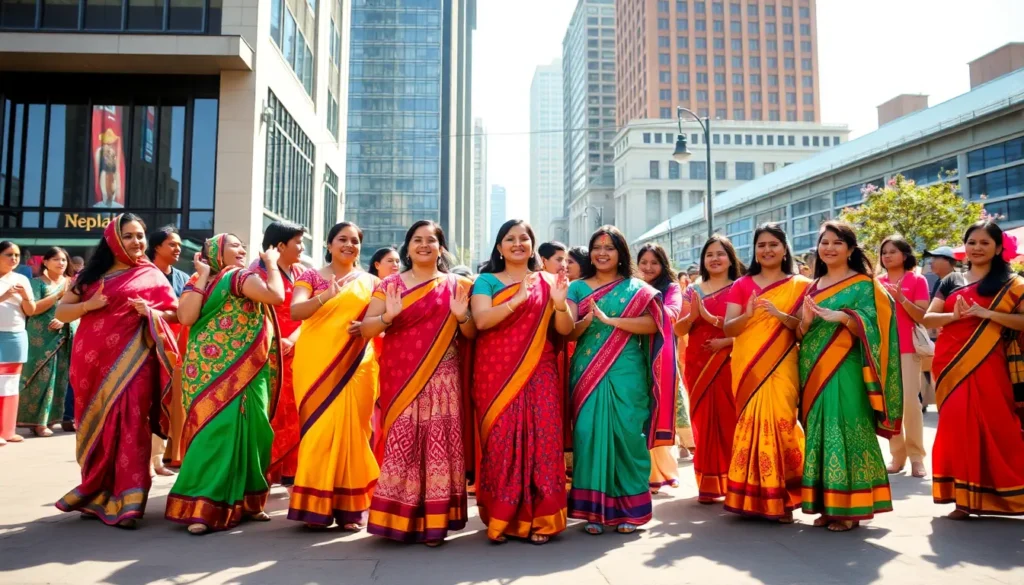
Practices and rituals within नेपालिचिकाइ offer a living, breathing testament to its ongoing relevance. From elaborate marriage ceremonies to festivals like Dashain and Tihar, each practice reveals not only the beauty of the traditions but also their importance in fostering community cohesion. Engaging in these rituals allows individuals to connect with their heritage, reinforcing shared values and collective memory. The thread of continuity can be seen here, linking past traditions with present communities in dynamic and ever-evolving ways.
Challenges and Adaptations
Preservation Efforts
With the waves of globalization, preserving the essence of नेपालिचिकाइ has become a pressing concern. As urban centers expand and modern influences permeate daily life, dedicated groups and individuals are striving to safeguard these traditions. Various organizations have launched initiatives aimed at documenting cultural practices, providing education, and ensuring that future generations inherit this rich heritage. The revival of traditional crafts and the promotion of local languages serve as vital strategies in this ongoing preservation journey.
Community Engagement
Community engagement plays a critical role in the transmission of नेपालिचिकाइ. Individuals and local organizations are actively involved in fostering dialogues around cultural heritage, creating platforms for sharing stories and methodologies. Workshops, cultural exchanges, and public celebrations not only ignite interest but also inspire pride in one’s heritage. This grassroots approach ensures that the knowledge surrounding नेपालिचिकाइ is not just preserved, but is also vivaciously celebrated, ensuring that everyone from elders to children participates in keeping the tradition alive.